Agricultural drones: reducing barriers to innovation
Making it easier for farmers, growers, and foresters to use agricultural drones for routine spraying activities
The issue
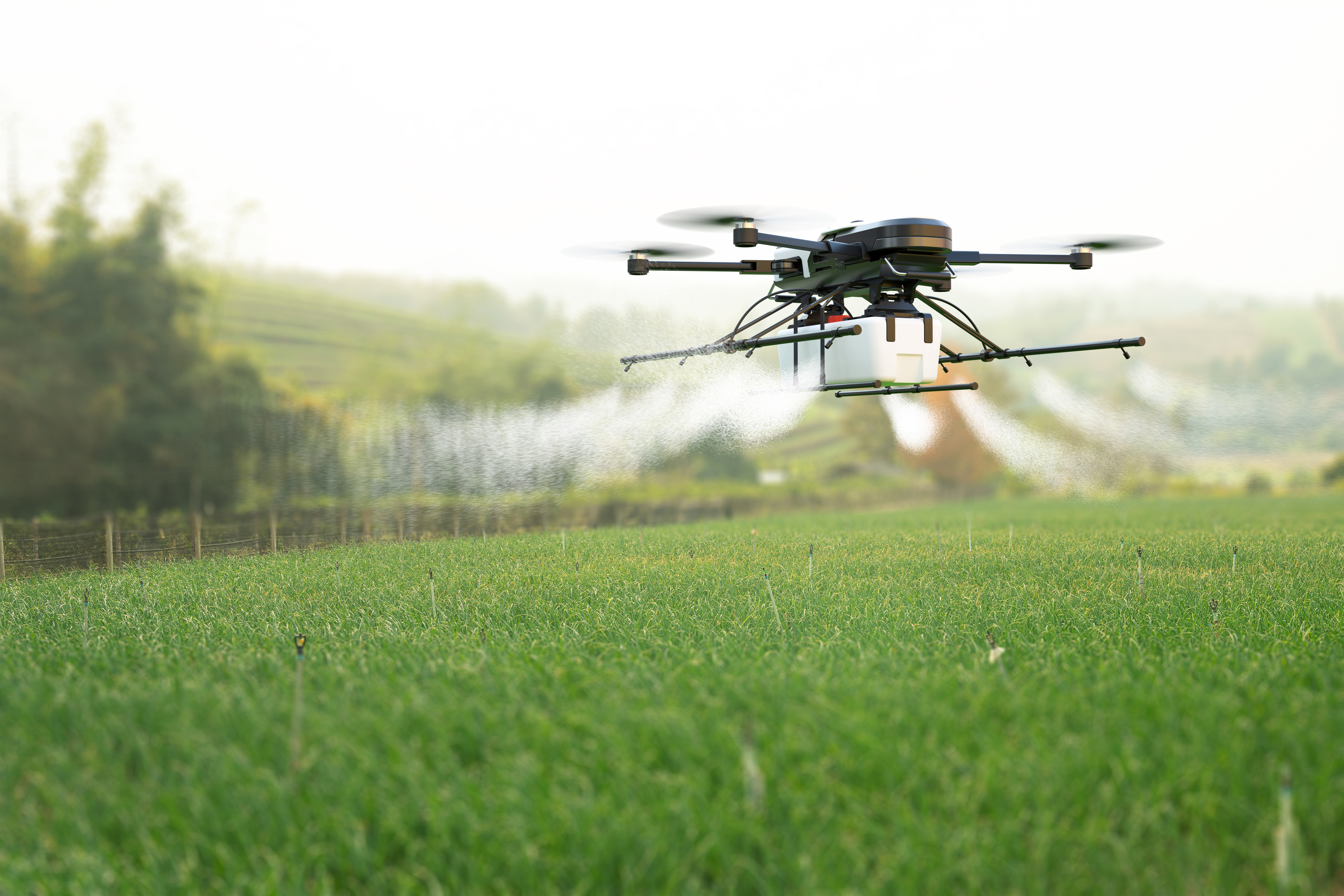
We received a tip through the Red Tape Tipline that regulatory requirements were making it difficult for farmers to use agricultural drones for routine spraying operations. Many operators were required to complete a certification process before they could use drones for activities such as spraying crops, applying fertiliser, and treating weeds.
What we heard
Farmers told us that the rules had not kept pace with advances in agricultural drone technology. As drones became a routine farming tool, many operators were still required to comply with certification requirements originally designed for more complex or novel drone operations. They said this created unnecessary cost, paperwork, and delays for lower-risk activities carried out on farmland.
What we did
We investigated the issue and engaged with the Civil Aviation Authority, the Ministry of Transport (now the Ministry for Cities, Environment, Regions and Transport) to better understand the regulatory barriers and options for reform. We provided advice to the Minister for Regulation and continued working alongside those agencies as the issue progressed through the Civil Aviation Rules Update Programme.
Benefits for New Zealanders
In August 2026, the Government announced reforms to make it easier for farmers, growers, and foresters to use agricultural drones for routine spraying activities. Under the reforms, lower-risk routine operations will move from a certification-based approach to a simpler notification process. This is expected to reduce compliance costs and administrative burden while maintaining appropriate safety and environmental protections.
The reforms will help support the adoption of modern agricultural technology, making routine spraying activities cheaper, faster, and more efficient for rural businesses.
Estimated net benefit
We estimated that removing certification requirements for routine agricultural drone operations could deliver a net benefit of $1.3 million to $1.7 million over 10 years. This estimate relates to the costs associated with certification and does not assess the costs or benefits of a future notification-based system.