Cutting red tape for small detached buildings
Making it easier for homeowners to build sheds, garages and sleepouts.
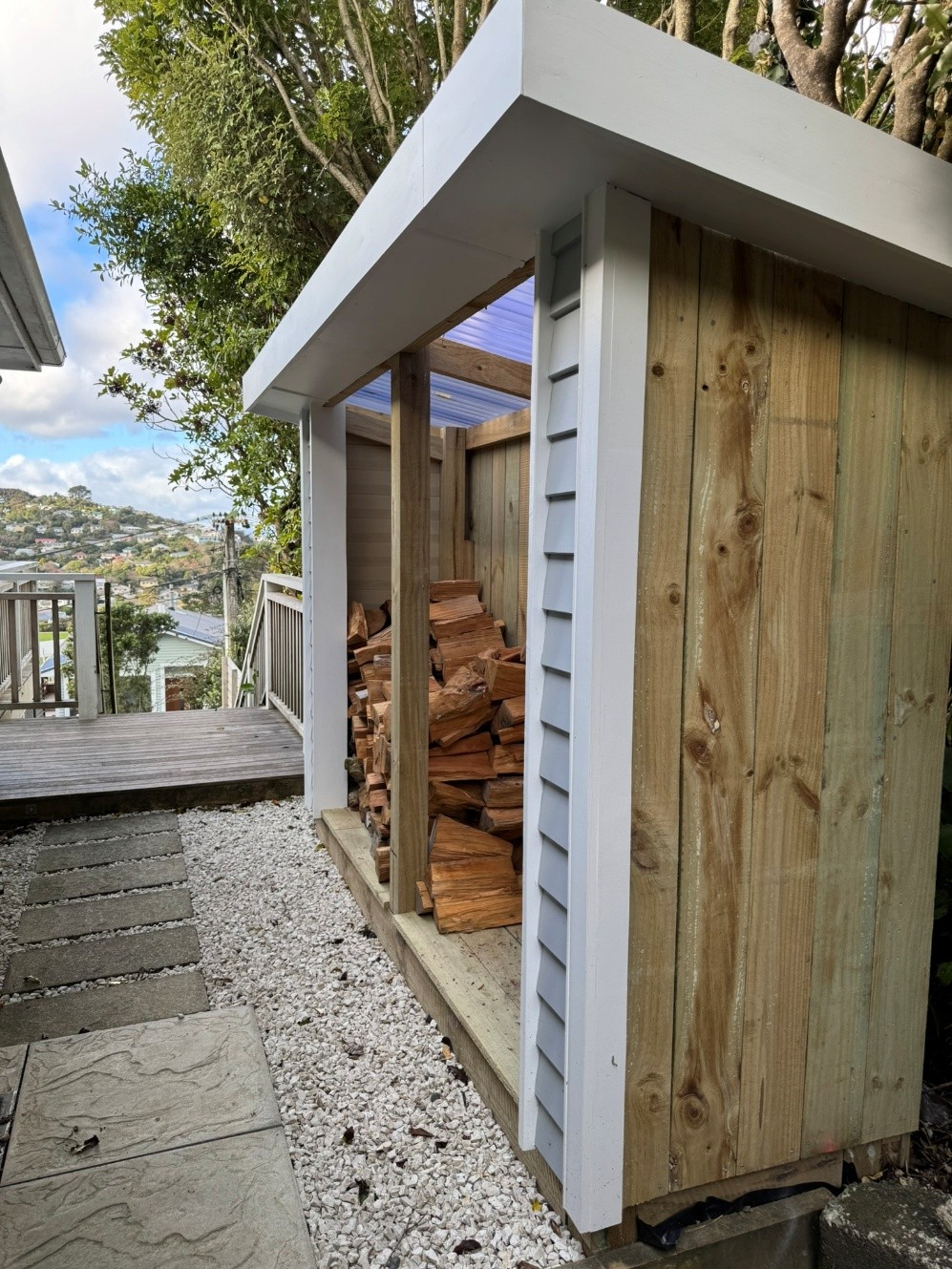
This issue came to our attention through the Ministry for Regulation red tape tipline – a direct channel for people to tell us where regulation isn’t working.
We heard that small detached buildings like sheds and garages were getting caught up in unnecessary red tape. In particular, outdated setback rules meant that even sensible, low-risk structures often required building consent – creating costs, delays and frustration, especially on small urban sections.
We worked with the Ministry of Business, Innovation and Employment (MBIE) to review the current exemption settings and provide advice to Ministers on how to cut unnecessary regulation while maintaining important protections.
What we found
Some of the existing rules – such as requiring a structure to be the same distance from a boundary as it is tall – are no longer fit for purpose. They don’t reflect the size of modern sections or how people actually use their outdoor space. These rules were creating confusion and unnecessary consenting costs – without a clear safety rationale.
What happened
Cabinet agreed to amend the Building Act to relax setback requirements for small detached buildings, making it easier for homeowners to build without needing consent in many cases.
The changes came into force in October 2025 and updated Schedule 1 of the Building Act:
- For structures between 10 and 30 square metres, the minimum setback was reduced to one metre from the boundary or another building.
- For structures under 10 square metres, the setback requirement was removed entirely – meaning they can be built right up to a boundary without needing consent.
All other requirements still apply, including compliance with the Building Code and relevant district plans.
What it means for New Zealand
This is a practical win for New Zealanders – especially those on smaller sections – who want to make better use of their land without navigating unnecessary bureaucracy. It also shows the value of the Ministry’s tipline: we’re hearing directly from people on the ground, identifying issues that aren’t on anyone else’s radar, and working with partner agencies to fix them.