Cutting outdated ‘offensive trades’
The Government has agreed to remove the list of offensive trades from the Health Act 1956, eliminating registration requirements.
The issue
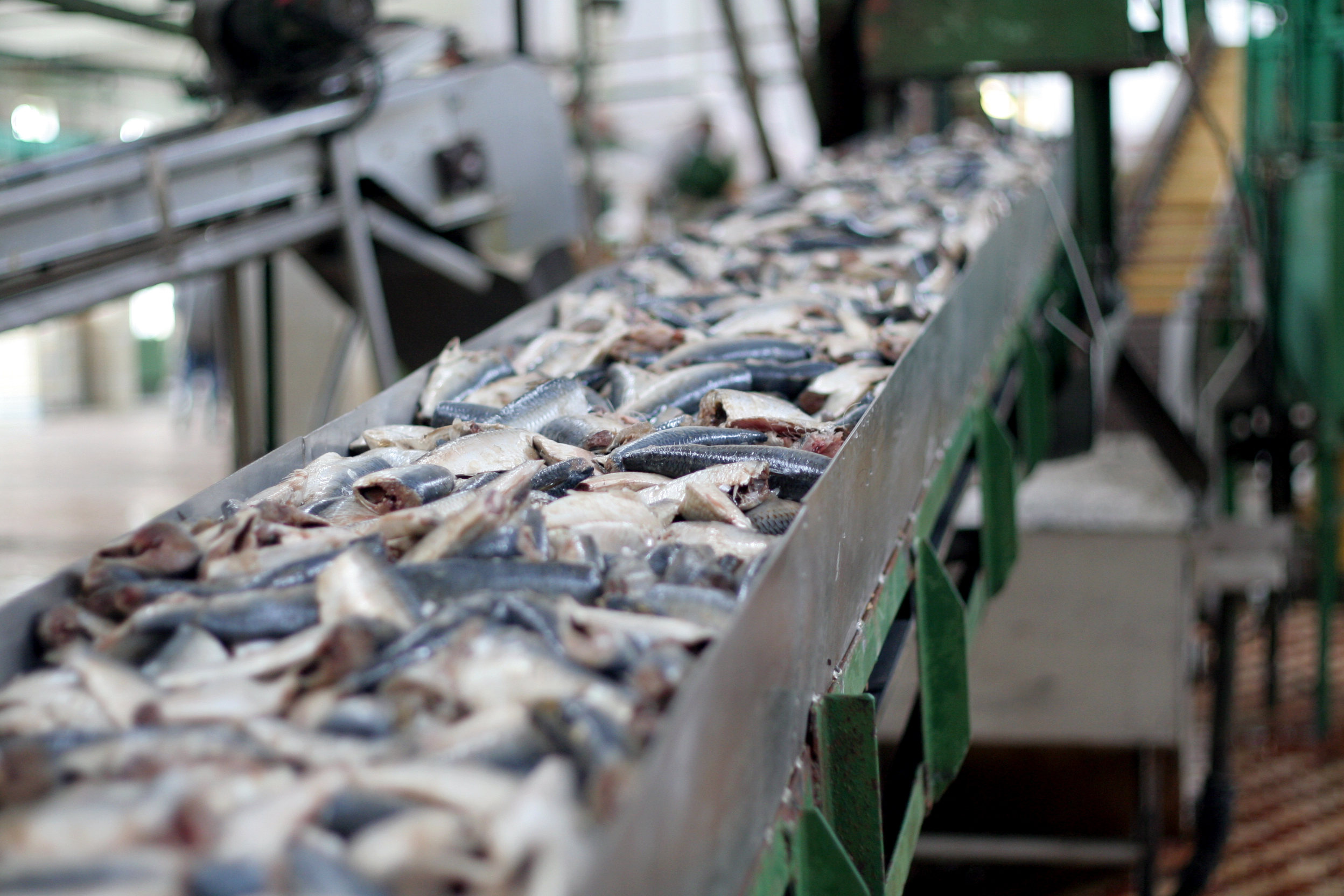
A Red Tape Tipline submission highlighted that some businesses were still required to register under the offensive trades regime. Activities captured by the regime include fish curing, leather tanning, flax pulping and nightsoil collection, which were historically regulated to manage local nuisance and public health risks.
Over time, these activities also became subject to modern regulatory systems.
What we found
The regime:
- is an activity-based model that no longer aligns with modern regulatory practice
- duplicates controls already delivered through risk-based frameworks and general provisions under the Health Act 1956
- creates unnecessary cost and administrative burden.
What’s changing
The Government has agreed to remove the list of offensive trades from the Health Act 1956, eliminating registration requirements.
Impact
- Up to $2.26 million in savings over 10 years.
- Reduced compliance costs for 200-400 businesses.
- Lower administrative burden for councils.
Why it matters
This is an example of improving how regulation works in practice – removing duplication while maintaining strong public health protections.