Hospitality sector regulatory review
Fixing red tape to help hospitality grow
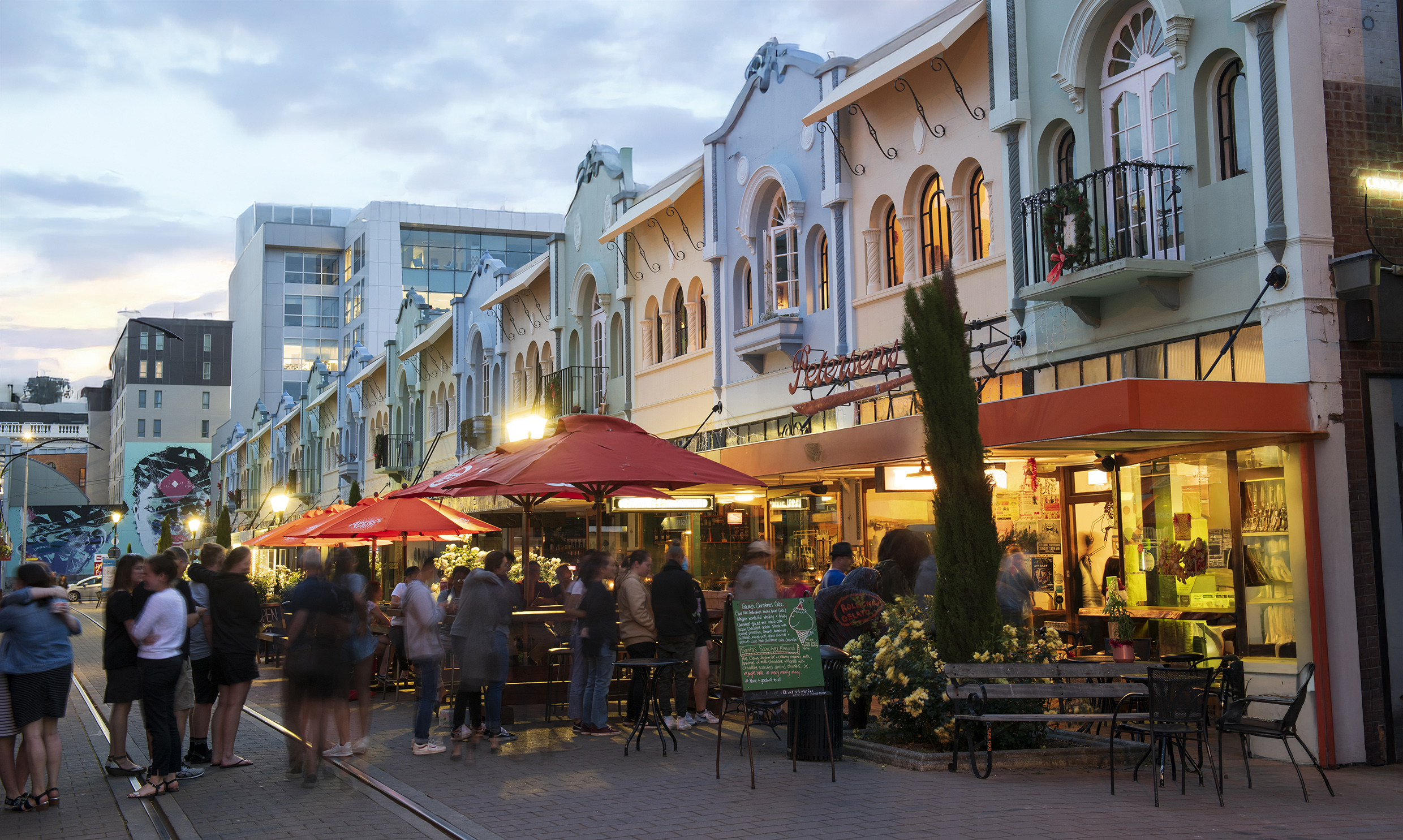
The Ministry for Regulation has completed its Hospitality Regulatory Review.
New Zealand’s hospitality sector includes more than 25,000 businesses, generates $21.4 billion in revenue, and employs more than 193,000 people. We undertook this review following a report from the 2024 Hospitality Summit that said outdated, overlapping and confusing rules were holding back growth. We confirmed through our own analysis that there was a case for a regulatory review.
The Hospitality Review
The review looked at regulation that applies to restaurants, bars, cafes, food stalls at markets, food trucks, catering businesses, and hotels. The gambling regulatory system was out of scope.
In the first phase of the review, we identified the areas we thought we could have most impact and progressed those for further analysis.
This meant we looked closely at alcohol licensing, food safety, fees and levies and the way information flows between regulated parties and regulators.
We also looked into some smaller areas, such as transport services offered by some hospitality businesses, requirements for the use of large marquees and the management of excessive noise.
There were some areas that we did not look at, even though parts of the sector raised them as regulatory issues they were facing.
These were mainly issues where it would have been very difficult to consider the hospitality sector in isolation from other sectors – for example regulation of employment and immigration.
Engagement
We received 247 written submissions (including from 39 territorial authorities) and met directly with 13 sector representative groups, members of 27 District Licensing Committees (DLCs), 12 territorial authorities (i.e., city and district councils), 21 hospitality businesses and two community groups.
We held a mix of in-person and online engagements, in Wellington, Auckland, Queenstown, Northland and Central Otago with territorial authorities, DLC members and businesses.
We also held a workshop with sector and central government representatives at the 2026 Hospitality Summit.
What the review found
The review found that while hospitality rules and regulations generally protect public health and safety, they can be costly, complex and slow - especially for food safety, alcohol licensing, fees, information sharing and decision timeframes.
We believe it is possible to make it easier and less expensive to open and run a hospitality business without compromising public health and safety outcomes.
Some of the problems we identified were:
- businesses provide the same information multiple times, often to the same regulator (i.e. councils)
- some decisions, such as for alcohol licenses, take too long, and businesses have little certainty about timeframes
- alcohol licensing and renewal processes can be inefficient, disproportionate to risk, and ineffective in some cases
- licensing and registration fees set at a similar level mean small businesses may pay too much and large businesses may pay too little, fees are not always transparent and are not covering regulator's costs
- food safety requirements are not always effective, efficient, or proportionate to risk
- food safety checks (verification) and compliance practices may not be effective, efficient, or proportionate
- disproportionate regulatory barriers affect the provision of transport services
- building consent and planning requirements can create unnecessary costs and delays for temporary structures such as marquees.
The review’s package of recommendations aims to make regulation more targeted, efficient, and easier for businesses to navigate.
What the review recommends
The review makes 24 recommendations, ranging from quick wins to longer-term fixes, which are relevant to nearly every interaction between hospitality businesses and government.
They include streamlining alcohol licensing processes, simplifying food safety requirements, improving information sharing and making fees more transparent and risk-based.
Together, these changes would reduce unnecessary compliance costs and help hospitality businesses invest, innovate and grow.
What happens next?
The Government’s response to the report's recommendations will be progressed by relevant Ministers and agencies. Progress will be tracked through a Hospitality Action Plan.
Hospitality Regulatory Review - Final report
Hospitality Regulatory Review - Summaries of engagement
Hospitality Regulatory Review - Terms of Reference (257 KB, Pdf)
Hospitality industry served regulatory relief | Beehive.govt.nzopen_in_new
Alcohol licenses to use common sense | Beehive.govt.nzopen_in_new